

What Are Mental Strength Workshops?
Mental strength workshops aren’t about pretending everything’s fine or pushing through pain. They’re practical training sessions where you learn real techniques for handling pressure, managing setbacks, and building confidence when things get tough.
These aren’t therapy sessions — you’re not there to fix problems. Instead, you’re learning skills. Think of it like training for your mind. Just as athletes build physical strength through consistent practice, mental strength develops the same way. Most workshops run 2-3 hours and cover specific techniques you can use immediately.
Key Point
These workshops focus on building capabilities, not fixing weaknesses. You’ll learn coping strategies, resilience techniques, and how to stay focused under pressure.


Where to Find Workshops in Singapore
Community centres across Singapore host regular mental strength workshops. Bishan and Clementi both have active programs running monthly. You’ll find sessions scheduled for different times — early morning before work, afternoon slots, and evening classes. Most run on weekends too if that works better for your schedule.
The programs vary slightly depending on the centre. Some focus more on sports psychology and competitive mindset. Others emphasize general resilience for work and life. You can usually try a session before committing to a full program. It’s worth checking a few different centres to find the style that fits you.
Practical Tip
Call ahead or check the community centre website. Programs fill up, especially the popular evening slots. Some centres offer single drop-in sessions so you can test it before signing up for a full program.
What Happens in a Typical Workshop
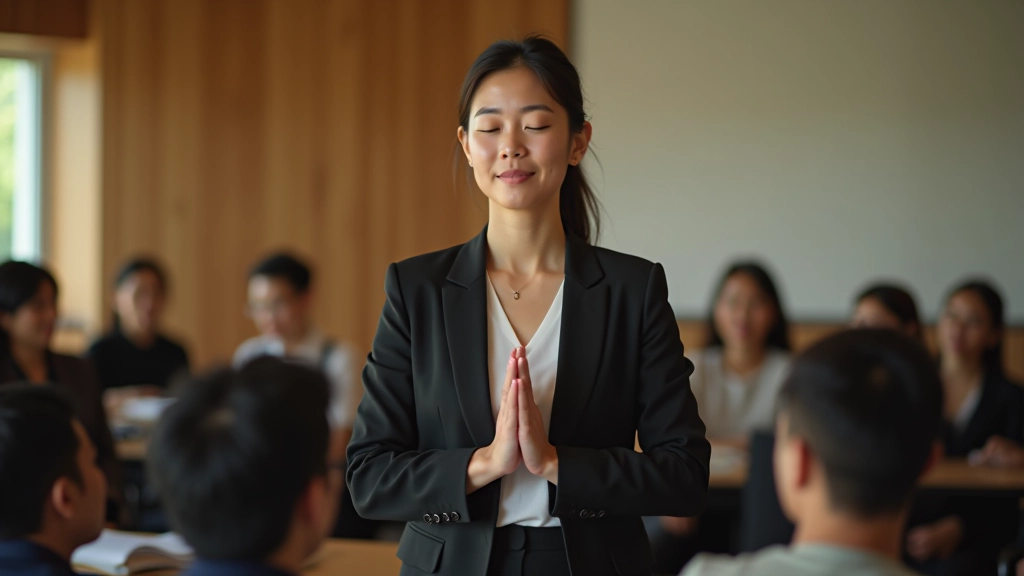
A typical session starts with the facilitator introducing the topic — maybe it’s handling pressure before important moments, or bouncing back after failure. Then you’ll learn 2-3 specific techniques. These aren’t lectures. You’re actually practising the skills right there in the room.
For example, you might learn a breathing technique for calming your nervous system, then spend 10 minutes practising it. Or you’ll work through a problem-solving framework using real situations people in the group are facing. By the end, you’ve got something concrete to take home and use.
The group size matters. Smaller groups (8-12 people) mean more individual attention. Larger sessions (20+ people) feel more anonymous if that’s what you prefer. Most facilitators are trained psychologists or experienced coaches who’ve worked with hundreds of people.

How to Choose the Right Program
Not all workshops are the same. Some focus on specific situations — like managing stress before exams or competition anxiety. Others are broader, covering general resilience skills. Your choice depends on what you actually need right now.
Ask yourself: Are you dealing with a specific challenge, or building general mental strength? Do you prefer learning in a group or one-on-one coaching? How much time can you commit — a single 3-hour workshop or a 6-week program?
Check the facilitator’s background too. Look for someone with relevant experience. If you’re an athlete dealing with competition pressure, a coach who’s worked with athletes makes sense. If you’re managing work stress, someone with corporate or professional experience is probably better.
Before You Sign Up
Email the facilitator with questions. Ask about the specific techniques covered, group size, and what to expect. Good facilitators are happy to explain their approach. If someone’s vague about what they actually teach, that’s a red flag.
Getting the Most From Your Workshop
You’ll get back what you put in. Here’s what actually works.
Practice Between Sessions
The real learning happens when you actually use the techniques. If you learn a breathing exercise in the workshop, do it daily. That’s what builds the habit.
Engage With the Group
You’ll learn as much from other people’s questions as from the content. Share your real situation if you’re comfortable. That’s where the practical value comes from.
Take Notes
Write down the specific techniques, not just general ideas. You’ll forget details. Having them written down means you can actually use them later when you need them.
Set a Specific Goal
Don’t just show up. Know what you want to get out of it. Are you there to manage anxiety? Build confidence? Handle failure better? Having a goal makes everything more relevant.
Track Small Changes
You probably won’t feel completely different after one session. But you might handle one situation slightly better. Notice those small wins. They add up.
Follow Up
Ask the facilitator for resources — books, apps, or follow-up sessions. Most will have recommendations based on what you’re working on.
Getting Started
Mental strength workshops aren’t magic. They’re training. You’ll learn specific, practical techniques that work because they’re based on how people actually respond to pressure and setbacks. The techniques are proven — thousands of people across Singapore have used them successfully in real situations.
Start by finding a program that matches what you need right now. One session is enough to get a feel for whether it’s right for you. Most people find it helpful to try at least one workshop. Many decide to continue because they see real changes in how they handle tough situations.
Your mental strength, like physical strength, builds gradually through consistent practice. These workshops give you the tools and the practice space. The rest is up to you.
Educational Information
This article provides educational information about mental strength workshops available in Singapore. Workshop content and approaches vary by facilitator and programme. For specific mental health concerns, clinical depression, anxiety disorders, or trauma, consult with a qualified mental health professional. Community workshops complement but don’t replace professional mental health treatment when needed. Always check the qualifications and credentials of workshop facilitators before participating.